Braking for a Cure: Free Brake Pads This Fall with Brakes for Breasts

A Season of Care—For Your Car & Your Community

As the leaves begin to turn and the first hints of frost settle into Boulder mornings, it's time to start thinking about preparing your car for fall and winter driving. At Pellman’s Automotive, this season means more than just maintenance—it’s about making a meaningful impact. That’s why we’re proud to support Brakes for Breasts, a national initiative uniting independent auto repair shops across the U.S. in the fight against breast cancer.

What Is Brakes for Breasts?

Brakes for Breasts is a grassroots movement that has raised over $2 million in donations for breast cancer vaccine research at the Cleveland Clinic—a project led by Dr. Vincent Tuohy and his team, dedicated to developing a preventative breast cancer vaccine. This vaccine is currently in clinical trials and represents a promising step toward a future free of breast cancer diagnoses.

What makes this campaign unique is that 100% of all donations go directly to the research, not overhead or marketing. It’s real support going to real science—with the potential to save lives.

How You Can Get Involved

Pellman’s Automotive is participating once again in the TechNet Brakes for Breasts campaign. While we encourage you to schedule your fall brake inspection for safety reasons, this season you also have the opportunity to give back in a meaningful way.

Here’s how it works:

Why Fall Is the Right Time for Brake Service

With colder weather and shorter days ahead, your brakes are one of the most critical safety systems on your vehicle. Whether you’re commuting through town or heading up the canyon, responsive brakes make all the difference on wet or icy roads.

At Pellman’s, we provide:

  • Full brake pad and rotor inspections
  • Brake fluid testing and replacement
  • Diagnostics for noise, vibration, or stopping power issues

Taking care of your vehicle now means peace of mind through the snow, slush, and seasonal road hazards to come.

More Than a Tune-Up—It’s a Chance to Make a Difference

Each year, thousands of women and families face life-changing breast cancer diagnoses. While we may not be scientists or doctors, we can help support the kind of research that leads to prevention and hope. By choosing Pellman’s this fall, you’re not just getting expert car care—you’re helping fund a future where fewer people have to hear the words “It’s cancer.”

Together, let’s drive change. Schedule your brake inspection today and join us in supporting Brakes for Breasts—because safer roads and stronger futures start with small, powerful choices.

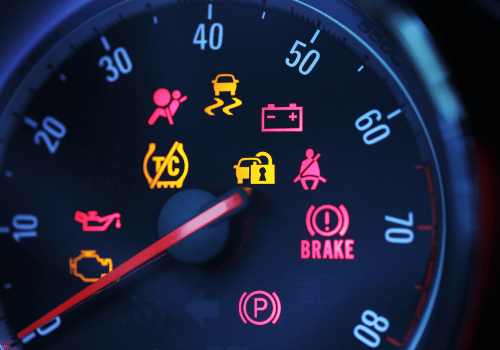
Vehicle dashboard with illuminated warning lights for brakes, battery, engine, and oil.
August 4, 2026
Learn what the most common dashboard warning lights mean, what you should do next, and when it's time to schedule professional diagnostics at Pellman's Automotive in Boulder.
Vehicle A/C control button illuminated on a dashboard, representing air conditioning operation
July 1, 2026
If your car's A/C is cold while driving but warm at stoplights, it could be a sign of a failing cooling fan, low refrigerant, or another issue. Learn the most common causes and when to have your A/C inspected.
Hand holding automotive diagnostic scanner while testing vehicle battery and electrical system under
May 26, 2026
Boulder’s changing temperatures, snow, and dry climate can take a toll on your vehicle’s electrical system. Learn the warning signs and how preventive maintenance can help avoid costly repairs.
Vehicle dashboard with illuminated warning lights for brakes, battery, engine, and oil.
August 4, 2026
Learn what the most common dashboard warning lights mean, what you should do next, and when it's time to schedule professional diagnostics at Pellman's Automotive in Boulder.

Vehicle A/C control button illuminated on a dashboard, representing air conditioning operation
July 1, 2026
If your car's A/C is cold while driving but warm at stoplights, it could be a sign of a failing cooling fan, low refrigerant, or another issue. Learn the most common causes and when to have your A/C inspected.
SHOW MORE

Share this article