Used Car Problems We See Every Week in Boulder and How to Avoid Them
Buying a used car can feel like a win. You find the right model, the mileage looks reasonable, the interior is clean, and everything seems normal during a quick drive around Boulder. Then a few weeks later, the check engine light comes on, the brakes start making noise, or you discover that the tires need to be replaced sooner than expected.
The challenge with buying a used vehicle is that many problems are difficult to spot during a test drive. A car can look great and still have worn components, overdue maintenance, fluid leaks, or developing mechanical problems hiding underneath.
That is where a pre-purchase inspection, often called a PPI, can help. Having an independent auto repair shop inspect a used vehicle before you buy it gives you a clearer picture of its current condition and can help uncover safety concerns or upcoming repairs.
Here are some of the used car problems we commonly look for at Pellman’s Automotive in Boulder.
Worn Brakes That Still Feel Fine on a Test Drive
Brakes do not have to grind or squeal to be nearing the end of their useful life. A short test drive may not reveal how much brake pad material remains or whether other braking components need attention.
A pre-purchase inspection can evaluate the condition of the braking system and identify visible signs of wear or problems that deserve further attention.
This is particularly important for Colorado drivers. A vehicle that will regularly travel through the foothills or mountains needs dependable, predictable braking performance.
If a used vehicle needs brake repair shortly after purchase, knowing beforehand allows you to factor that information into your buying decision.
Uneven Tire Wear Can Tell a Bigger Story
Do not just look at whether a used car has tires. Look at how those tires are wearing.
Uneven tire wear may be associated with improper wheel alignment, worn steering or suspension components, incorrect tire pressure, or other problems. Tires can therefore provide useful clues about how a vehicle has been maintained and how it is currently driving.
During a used car inspection, the condition and wear pattern of the tires should be considered alongside the steering, suspension, and alignment.
This matters in Boulder, where potholes, uneven pavement, mountain roads, and winter driving can all be tough on tires and suspension components.
Suspension Problems Can Hide Behind a Smooth Test Drive
A quick drive on a relatively smooth road does not always reveal suspension wear.
Shocks, struts, bushings, ball joints, control arms, and other suspension components wear gradually. Drivers sometimes become accustomed to changes in ride quality, so a seller may not even realize that something feels different.
Signs of suspension trouble can include clunking over bumps, excessive bouncing, loose steering, pulling, uneven tire wear, or excessive body movement around turns.
A professional inspection can help determine whether the vehicle's suspension and steering system shows signs of wear before you make it your problem.
Fluid Leaks Deserve a Closer Look
A few drops underneath a used vehicle can be easy to overlook, particularly if the car has been moved before you arrive.
Leaks can involve engine oil, coolant, transmission fluid, brake fluid, or other vehicle fluids. The significance of a leak depends on where it is coming from, its severity, and the vehicle involved.
That is why finding evidence of a leak is only the beginning. Determining its source is what matters.
A pre-purchase inspection can help identify visible leaks and give you more information about what may need attention.
A Check Engine Light Is Not the Only Sign of an Engine Problem
No check engine light does not automatically mean no problems.
Modern vehicles monitor numerous systems through computers and sensors, but not every developing mechanical issue immediately triggers a dashboard warning light.
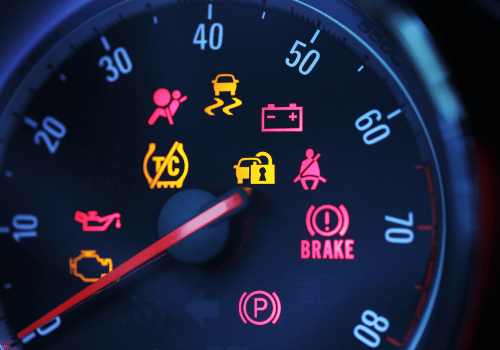
If a check engine light is illuminated, professional car diagnostics can help determine why. Diagnostic trouble codes provide a starting point, but a code does not automatically tell you which part needs to be replaced. Proper diagnosis considers the code alongside testing and the vehicle's symptoms.
If you're considering a used car with a warning light already illuminated, finding out what is causing it before purchasing the vehicle is much better than finding out afterward.
Batteries and Electrical Systems Can Bring Expensive Surprises
A used vehicle may start perfectly during your test drive and still have a battery or charging system that deserves attention.
Battery condition, charging performance, wiring concerns, and other electrical problems can become especially noticeable when temperatures change. Modern vehicles also rely heavily on electronic modules, sensors, and electrical systems, making electrical condition increasingly important when evaluating a used car.
Testing the battery and charging system can provide additional information about the vehicle's condition and may help identify an upcoming problem before you're left with a car that will not start.
Cooling System Problems Should Not Be Ignored
Colorado driving can put a cooling system through very different conditions, from hot summer traffic to long mountain climbs and freezing winter temperatures.
A pre-purchase inspection may reveal signs of coolant leaks, deteriorated hoses, or other visible cooling system concerns.
An overheating problem can quickly become more serious, so the cooling system condition is worth considering before purchasing a vehicle rather than waiting for the temperature warning light to appear afterward.
What About Buying a Used Hybrid?
A used hybrid deserves some additional attention because it combines a traditional vehicle with high-voltage electrical components and a hybrid battery system.
A dashboard warning light does not automatically mean the hybrid battery has failed. Likewise, the absence of a warning light does not tell you everything about the condition of the vehicle.
If you're considering a used Toyota, Lexus, Honda, or another hybrid, having it evaluated by technicians familiar with hybrid diagnostics and repair can give you a better understanding of what you're buying.
Components such as the hybrid battery cooling system also matter. Restricted airflow, dirty cooling fans, and other issues can affect battery temperature and performance over time.
What Does a Pre-Purchase Inspection Check?
A pre-purchase inspection is an independent evaluation of a used vehicle's current condition before you buy it. The goal is not to predict every repair the car will ever need. Instead, it gives you more information about its condition at the time of inspection.
Depending on the vehicle and inspection performed, a pre-purchase inspection may include checking:
- Brakes and remaining brake wear
- Tires and unusual wear patterns
- Steering and suspension components
- Fluid condition and visible leaks
- Battery and charging system
- Cooling system
- Dashboard warning lights
- Other visible mechanical concerns
If something questionable is found, additional diagnostic testing may be recommended.
That information can help you decide whether you are comfortable purchasing the vehicle, whether you want additional information first, or whether known maintenance and repairs need to be considered as part of the purchase.
Can a Pre-Purchase Inspection Save You Money?
A pre-purchase inspection cannot guarantee that a used vehicle will never need repairs. All vehicles require maintenance, and even a carefully inspected car can develop a problem later.
What a PPI can do is reduce the number of unknowns.
For example, finding that a vehicle will soon need tires and brakes does not necessarily make it a bad vehicle. It simply gives you information you did not have when you first saw the listing.
The same applies to a fluid leak, a worn suspension component, a weak battery, or a diagnostic concern. Understanding the vehicle's condition before buying it allows you to make a more informed decision.
Should You Get a Used Car Inspected Before Buying It?
Yes, having an independent mechanic inspect a used vehicle before purchase can help identify existing safety, maintenance, and mechanical concerns that may not be obvious during a test drive.
Ideally, schedule the inspection before completing the purchase.
A seller who provides maintenance records or a vehicle history report can give you useful information, but those records do not replace an inspection of the vehicle's current mechanical condition.
A clean-looking car and a clean history report also do not necessarily tell you how much brake pad material remains, whether the tires are wearing unevenly, or whether a leak has recently developed.
Buying a Used Car in Boulder? Know Before You Buy
There are plenty of good used vehicles on Colorado roads. The key is knowing as much as possible about the particular vehicle you're considering before it becomes yours.
At Pellman’s Automotive in Boulder, our technicians can perform a pre-purchase inspection to help you better understand a used vehicle's current condition. We can look for common concerns involving brakes, tires, steering, suspension, fluids, electrical systems, and other areas that may deserve attention.
If you're shopping for a used car in Boulder,
schedule your pre-purchase inspection with Pellman’s Automotive before you buy. A little time spent inspecting the vehicle now can help you make your decision with more information and fewer surprises later.

Share this article