10 Step Checklist for Preparing Your Car for Winter

Winter season is here, and it is time to get your car ready for elements on the road. Since cold weather adds extra demands and can exacerbate existing problems, here are some things to consider:

1.) Standard Maintenance Inspection

It is important to make sure that your car maintenance is up-to-date overall. This will ensure that your brakes, belts and hoses, engine, exhaust system, fluids and filters are in good working order and ready to handle the cold. Change your oil and filter at least every 3000 to 5000 miles.

2.) Check Your Car Battery

In extremely cold temperatures, your car requires more current from the battery to start the engine. In order to avoid a dead car battery on a cold morning, have your local auto repair facility run a battery load test to see if your battery is healthy. Some other items you can look out for are cracked or corroded battery cables and terminals.

3.) Replace Your Windshield Wipers & Fill Your Wiper Fluid
4.) Heater and Defroster

The heater and defroster must be in good working condition for passenger comfort and driver visibility. Your air conditioner needs to be functional as well to ensure proper defrost operation. If your windows are fogging up, make sure the fresh air button is selected.

5.) Inspect (And Maybe Replace) Your Tires

It is highly recommended to examine your tires for remaining tread life, uneven wear, and cupping. You should check the sidewalls for cuts and nicks. If you live in an area that experiences a lot of snowfall, consider snow tires. Snow Tires are made of softer rubber that remains flexible in colder temperatures, and have treads specially designed to keep their grip in snow and ice.

6.) Check Your Tire Pressure

It is important to check that your tires are properly inflated for winter conditions. Cold weather causes air pressure in your tires to drop at approximately 1 PSI per 10 degrees. Therefore, you should monitor your tire pressure once a month, and make sure that you let your tires cool down before checking the pressure. The usual recommended tire pressure is 30-35 PSI, but check your owner’s manual for the exact number. Make sure to rotate your tires as recommended by your technician.

7.) Change Your Oil

Cold weather tends to thicken oil and reduce its ability to circulate through the engine, so make sure that you have fresh oil to keep your car running smoothly. Some experts recommend usings a thinner oil during the winter months, however, make sure to consult your owner’s manual or your local technician to see if that approach is right for your car.

8.) Check Your Belts And Hoses

Your belts and hoses tend to weaken in cold temperatures. Belts and hoses are important in keeping your engine running. You can prepare by checking all belts and hoses for cracks or signs of wear and tear.

9.) Wash Your Car After A Snowstorm

The State of Colorado uses magnesium chloride for deicing paved roads. While less corrosive than road salt, it can still cause damage to your car. Take your car to a touchless car wash frequently during the winter, including an underbody rinse to remove magnesium chloride and dirt from your car.

10.) Carry An Emergency Kit In Your Car

Winter weather can take you by surprise, despite excellent planning. In order to avoid a dangerous situation, you should equip your care with an emergency kit filled with supplies including blankets, flares, a jack, a first-aid kit, flashlight, shovel, food, and kitty litter or sand for traction if you get stuck. Read more about preparing your car emergency care kit here.

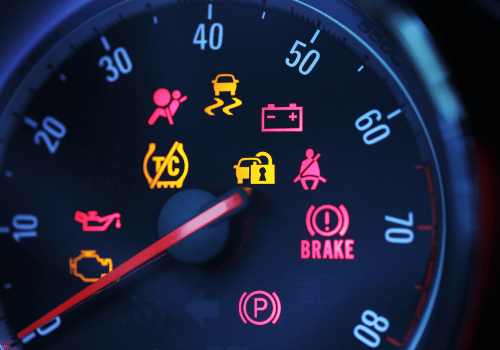
Vehicle dashboard with illuminated warning lights for brakes, battery, engine, and oil.
August 4, 2026
Learn what the most common dashboard warning lights mean, what you should do next, and when it's time to schedule professional diagnostics at Pellman's Automotive in Boulder.
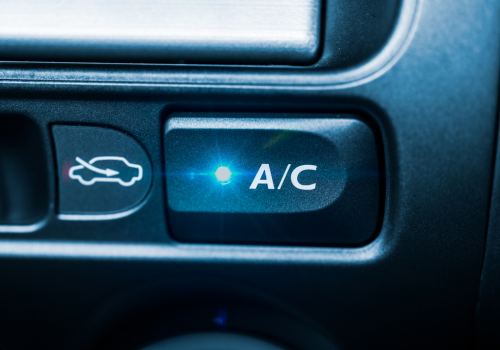
Vehicle A/C control button illuminated on a dashboard, representing air conditioning operation
July 1, 2026
If your car's A/C is cold while driving but warm at stoplights, it could be a sign of a failing cooling fan, low refrigerant, or another issue. Learn the most common causes and when to have your A/C inspected.
Hand holding automotive diagnostic scanner while testing vehicle battery and electrical system under
May 26, 2026
Boulder’s changing temperatures, snow, and dry climate can take a toll on your vehicle’s electrical system. Learn the warning signs and how preventive maintenance can help avoid costly repairs.
Vehicle dashboard with illuminated warning lights for brakes, battery, engine, and oil.
August 4, 2026
Learn what the most common dashboard warning lights mean, what you should do next, and when it's time to schedule professional diagnostics at Pellman's Automotive in Boulder.

Vehicle A/C control button illuminated on a dashboard, representing air conditioning operation
July 1, 2026
If your car's A/C is cold while driving but warm at stoplights, it could be a sign of a failing cooling fan, low refrigerant, or another issue. Learn the most common causes and when to have your A/C inspected.
SHOW MORE

Share this article